

How to Calculate Crypto Mining Profitability

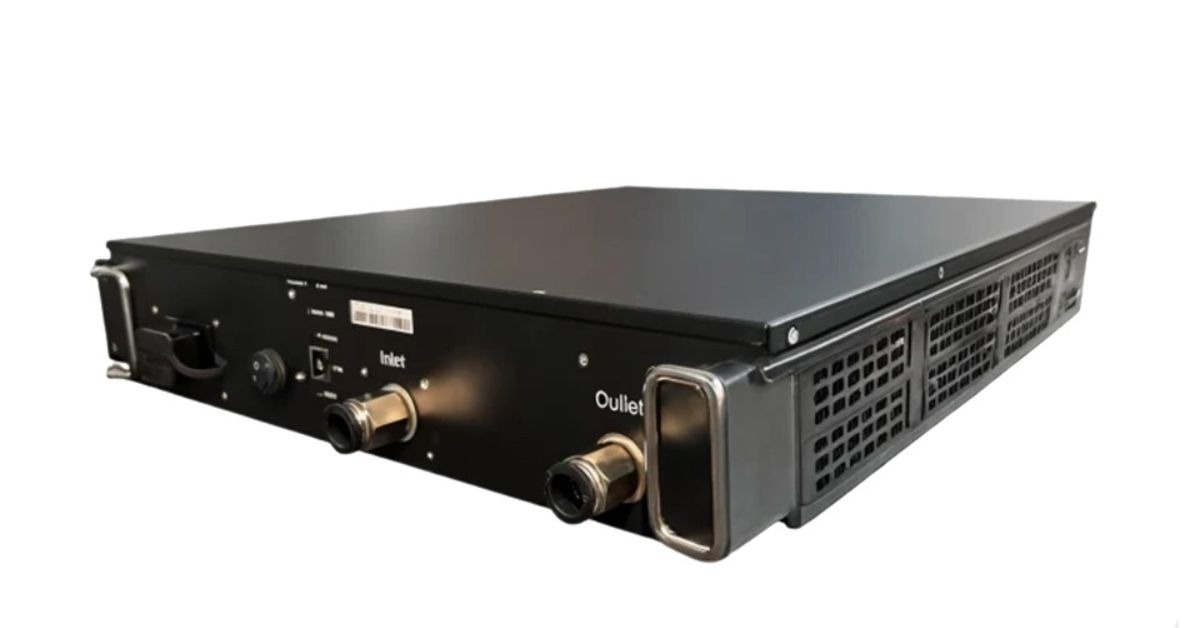
So, you’ve decided to jump into the world of crypto mining, huh? Exciting stuff! Mining crypto can be incredibly rewarding — but only if you know what you’re doing. The truth is, not every miner strikes gold (or, well, Bitcoin). That’s why learning how to calculate crypto mining profitability is the first real step toward success.
In this guide, we’ll break down the essential formulas, factors, and insider strategies to help you figure out whether your mining setup will pay off or just burn a hole in your wallet.
What Is Crypto Mining Profitability?
In simple terms, mining profitability measures how much you earn versus how much you spend while mining cryptocurrencies. It’s like calculating your business profit — except the “product” you’re making is digital coins instead of, say, cupcakes.
Your total profit depends on:
- The mining rewards(coins earned)
- The operational costs(mainly electricity)
- The market valueof the coins you mine
Related Article: Is Bitcoin mining profitable in 2025?
Core Factors Influencing Mining Profitability
1. Network Hash Rate and Competition
The network hash rate tells you how much computing power is competing to find blocks. The more miners join the race, the harder it gets to win rewards. High network hash rate = tougher competition = lower individual profit potential.
2. Cryptocurrency Price Volatility
This one’s a biggie. If the price of your chosen crypto drops, so does your profitability. Always choose coins with a solid price history or real-world use cases that can sustain value.
3. Mining Difficulty and Block Time
Each cryptocurrency has its own mining difficulty — an auto-adjusting mechanism that keeps block times consistent.
For example:
- Bitcoin: 10-minute block time
- Litecoin: 2.5-minute block time
Higher difficulty means fewer rewards unless your hardware is top-notch.
4. Transaction Fees and Reward Types
Some coins reward miners with transaction fees instead of freshly minted coins. Check what kind of reward system your target crypto uses before investing.
5. Halving Events and Long-Term Planning
Many cryptocurrencies, like Bitcoin, halve their mining rewards roughly every four years. That means your earnings can drop by 50% overnight if you’re not prepared. Always consider the next halving before investing big.
Breaking Down the Total Investment
So, you’ve found a $3,000 ASIC miner. Sweet deal, right? Not so fast! The sticker price is just the beginning.
Import Taxes and Tariffs
Depending on your country, you might pay anywhere from 5% to 30% in import taxes or tariffs. That’s a serious chunk of change!
Setup Fees and Installation Costs
Setting up isn’t plug-and-play. Think wiring, cooling, labeling, and monitoring setup. Hosting farms might charge $20–$50 per unit, while a personal setup could cost much more.
Facility and Infrastructure Costs
If you’re running your own operation, don’t forget:
- Electrical infrastructure (transformers, cables, etc.)
- Cooling systems (fans, HVAC, or hydro)
- Network and security systems
- Land and building costs
All of these can easily add $50–$100+ per rig.
How to Calculate Crypto Mining Profitability
Here’s the heart of the matter.
The Basic Profitability Formula
Daily Profit=(Daily Mining Revenue)−(Daily Operational Costs)
Where:
- Revenue= Coins mined × Market price per coin
- Operational costs= Electricity + Maintenance + Fees
For example:
If you mine 0.0002 BTC per day and Bitcoin’s price is $65,000:
- Revenue = 0.0002 × 65,000 = $13/day
- Electricity cost = $3/day
- Net daily profit = $10/day
Understanding Payback Periods
Your payback period tells you how long it’ll take to break even.
Payback Days=Total Investment/Net Daily Profit
So if your rig costs $3,000 and you earn $10/day:
Payback = 3,000 ÷ 10 = 300 days
That’s roughly 10 months to hit breakeven — not bad if the market holds steady!
Example: Crunching the Numbers
- ASIC miner = $2,800
- Power cost = $0.10/kWh
- Power consumption = 3,000W (3kW)
- Mining 0.00018 BTC/day at $65,000
Revenue: 0.00018 × 65,000 = $11.70/day
Power cost: 3kW × 24h × $0.10 = $7.20/day
Net profit: $11.70 − $7.20 = $4.50/day
Payback: $2,800 ÷ $4.50 = ~622 days (about 20 months)
See? It’s not just about buying a rig — it’s about smart cost management.
How to Improve Your Crypto Mining Profitability
Lower Electricity Costs Like a Pro
Electricity is your biggest expense. Try:
- Relocating to areas with cheap hydro power
- Negotiating bulk utility rates
- Using solar or renewable sources
Even a $0.01/kWh reduction can slash your payback time by up to 15%.
Control Total Costs — Especially Hidden Ones
Bundle your shipping, negotiate setup fees, and buy in bulk. Every dollar saved upfront is another day off your breakeven point.
Time Your Entry Strategically
Deploy before bull runs and cash in while prices rise. Mining profits track crypto prices closely — so watch for signs like ETF approvals, halving events, or big investor inflows.
Keep Your Operations Running Smoothly
Downtime kills profits.
Mitigate it by:
- Installing backup power systems
- Monitoring heat levels
- Using remote management tools
Even two days of downtime per month can reduce profits by 6.5%!
Tools and Calculators for Mining Profitability
Before spending thousands, test your setup using:
- com
- NiceHash Profitability Calculator
- CryptoCompare Mining Tools
Just plug in your rig’s hash rate, power cost, and electricity rate, and you’ll get an instant profitability snapshot.
Common Mistakes New Miners Make
Ignoring Electricity Costs
It’s easy to overlook, but it’s the biggest factor that can make or break profitability.
Failing to Account for Difficulty Adjustments
Mining difficulty fluctuates, so today’s profit might not hold next month.
Overestimating Constant Market Prices
Crypto markets are volatile — always plan for dips!
Conclusion
Mining crypto can be an incredible adventure — but only if you treat it like a business, not a gamble. Understanding how to calculate crypto mining profitability helps you make data-driven decisions and dodge costly mistakes.
If you plan smart, monitor your metrics, and adapt to market conditions, your mining rig could become a steady source of passive income rather than an expensive paperweight.
So go ahead — crunch those numbers and mine smarter, not harder!
FAQs
- What’s the easiest way to calculate crypto mining profitability?
Use online calculators like WhatToMine — input your hash rate, power cost, and electricity price for instant results. - How often should I recalculate my mining profitability?
At least once a week. Crypto markets and difficulty levels change fast. - Can I mine profitably at home?
Maybe — but it depends on your local electricity rates and cooling setup. - What’s the ideal electricity cost for profitable mining?
Generally under $0.08 per kWhfor Bitcoin mining. - Is mining still worth it in 2025?
Yes — but only if you choose efficient hardware, cheap electricity, and smart timing before major market upswings.