
A Beginner’s Guide to Home Bitcoin Mining

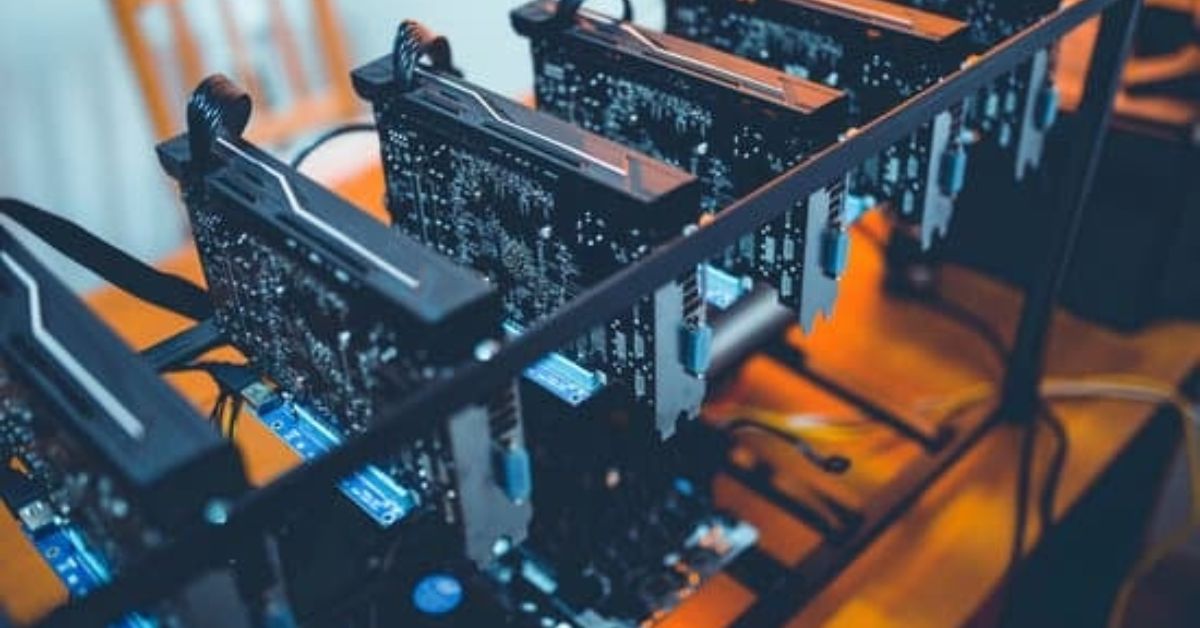
Remember the early days of Bitcoin, when you could mine a fortune from a laptop in your dorm room? Those stories have launched a thousand dreams. While that gold-rush feeling is still part of Bitcoin's allure, the reality of mining from home today is a different, more complex puzzle.
But that doesn't mean it's not worth considering. Diving into home mining can be a deeply rewarding hobby. It’s a hands-on crash course in cryptography and economics, and with the right setup and expectations, it might even pay for itself. This guide is for anyone curious about turning a corner of their home into a tiny, buzzing node of the Bitcoin network. Let's figure out if it's the right project for you.
What Is Home Bitcoin Mining?
Imagine the Bitcoin network as a global, digital ledger that needs constant verification to prevent fraud and errors. Mining is the process that does this. People around the world use specialized computers to solve incredibly difficult mathematical problems. The first one to solve the problem gets to add a new "page" (a block) of transactions to the ledger.
As a reward for this critical work—and for the electricity and hardware used—the successful miner earns a chunk of new Bitcoin.
Home mining is simply you, an individual, choosing to be one of those verifiers. Instead of investing in a massive, warehouse-sized mining farm, you're plugging a dedicated machine into your wall outlet, joining the network from your own space. You're essentially helping to prop up the entire system from your living room or home office. It’s a pretty powerful feeling for a hobby.
What Factors Affect Home Bitcoin Mining Profitability?
Success isn't just about having the right machine; it's about a delicate balancing act between several ever-changing forces.
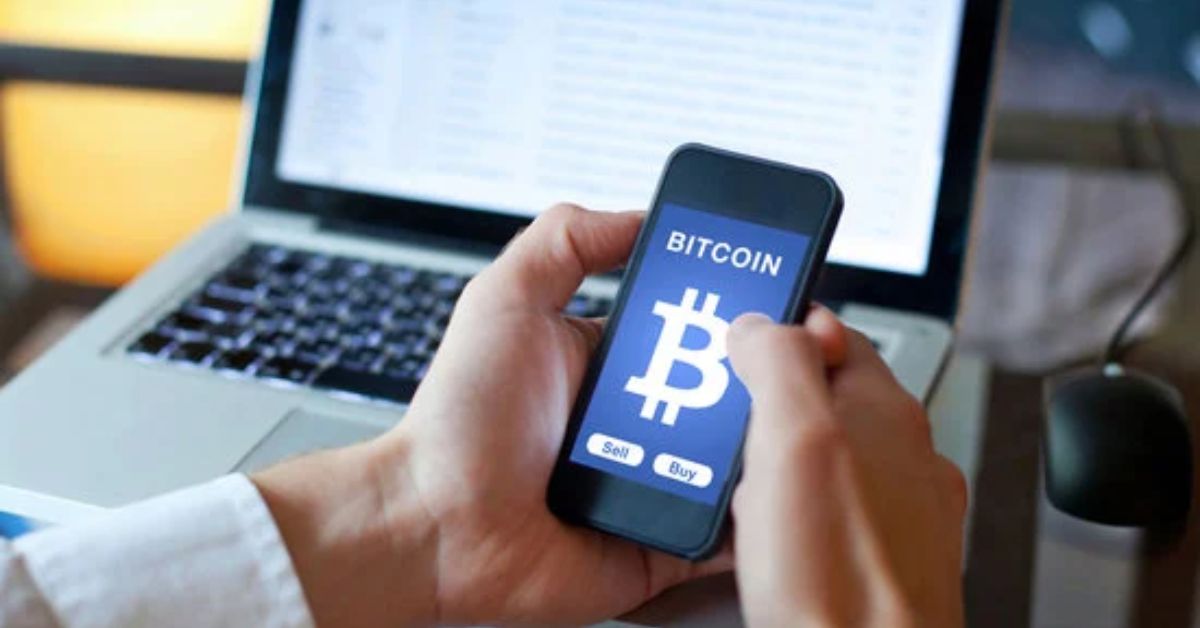
The Price of Bitcoin Itself: This is your ultimate scorecard. When Bitcoin's value climbs, the coins you unearth are suddenly worth a lot more. But if the market takes a dip, that digital treasure can start to feel more like fool's gold, barely covering your costs.
The Mining Difficulty Adjustment: Imagine a worldwide gold rush where the gold automatically gets harder to find as more prospectors arrive. That's Bitcoin's network difficulty. The more miners that join the global network, the tougher it becomes for you to find a block and get the reward.
Your Hardware's Appetite for Power: Mining rigs are not all created equal. Some are like energy-sipping hybrids, while others are gas-guzzling drag racers. The efficiency of your machine—how much computing power it delivers for every watt of electricity—is what separates a profitable setup from a money pit.
The Stiffness of the Competition (Global Hashrate): This is the total combined muscle of every single miner on the planet. A rising global hashrate is a clear sign that you're up against more competition, making it harder for your home setup to snag a piece of the pie.
The Ultimate Deal-Breaker: Your Electricity Bill: For most aspiring home miners, this is where the dream meets a harsh reality. Mining equipment runs 24/7, and if you're paying top dollar for electricity, your profits can literally vanish into thin air before you see a single coin.
Is Home Bitcoin Mining Profitable?
Let's get down to brass tacks. For the vast majority of people, running a miner in their garage is not a get-rich-quick scheme. Here’s a realistic look at the hurdles.
The Energy Drain: These machines are power-hungry around the clock. Unless you're blessed with extremely low utility rates (think under $0.05 per kilowatt-hour), your monthly power bill could easily swallow any earnings whole.
The Upfront Investment: The specialized computers (known as ASIC miners) needed to compete are serious pieces of kit—and they come with a serious price tag. A capable new unit can set you back anywhere from a couple thousand dollars to the price of a used car.
The Rollercoaster Market: Bitcoin's value is famous for its wild swings. You could be happily mining while the price is high, only to watch a market downturn turn your productive machine into a loss-generating space heater overnight.
Related Article: Is Bitcoin Mining Still Profitable in 2025?
Best ASIC Miners for Home Bitcoin Mining
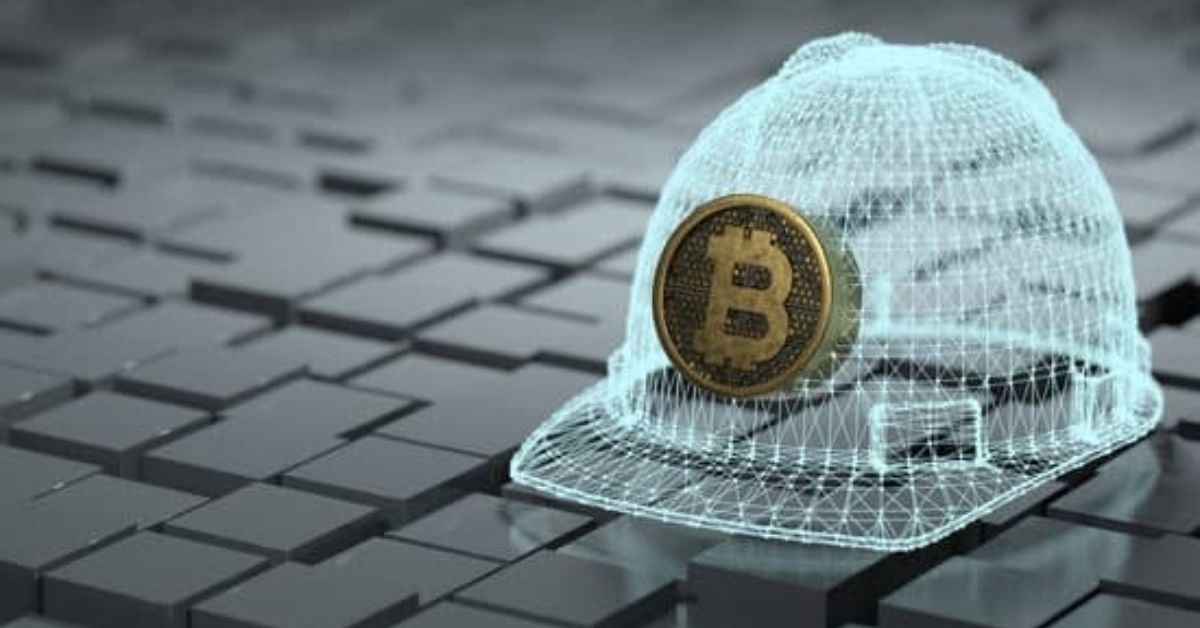
If you’re serious about trying, you’ll need an ASIC miner (Application-Specific Integrated Circuit). These are built solely for Bitcoin mining. Forget laptops or GPUs—those days are long gone.
Here are some of the top options for beginners:
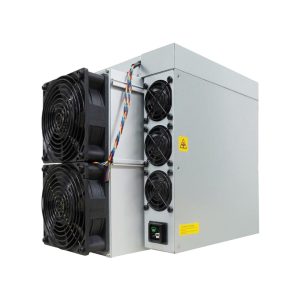
1. Bitmain Antminer S21 Pro Bitcoin Miner
- Hashrate:234 TH/s
- Power Consumption:3,510W
- Efficiency:15 J/TH
- Noise Level:76 dB
- Highlight:Balances raw power with efficiency. Great if you want high performance at home.
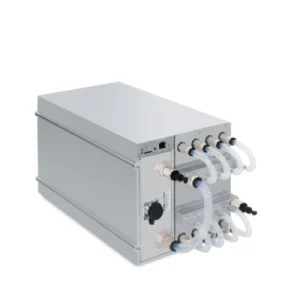
2. Bitmain Antminer S19 Pro+ Hyd Bitcoin Miner
- Hashrate:191 TH/s
- Power Consumption:5,252W
- Efficiency:Energy-optimized with hydro cooling
- Highlight:Serious power but needs strong cooling and lots of electricity.
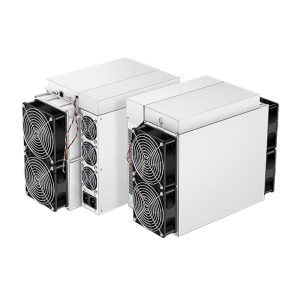
3. Bitmain Antminer S19k Pro Bitcoin Miner
- Hashrate:120 TH/s
- Power Consumption:2,760W
- Efficiency:23 J/TH
- Noise Level:75 dB
- Highlight:More budget-friendly and still powerful enough for home setups.
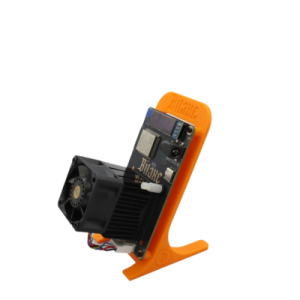
4. Bitaxe Gamma 601 Bitcoin Miner
- Hashrate:2 TH/s
- Power Consumption:Just 17W (!), super low
- Efficiency:17 J/TH
- Highlight:Ultra-portable, quiet, and low-cost. Perfect for beginners who want to dip their toes without breaking the bank.
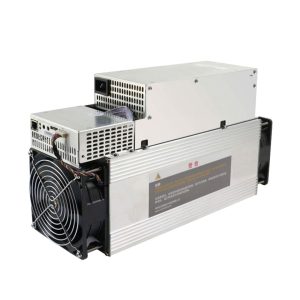
5. MicroBT Whatsminer M50S+ Bitcoin Miner
- Hashrate:130–142 TH/s
- Power Consumption:3,120–3,408W
- Highlight:Features advanced thermal design for stable, long-term performance.
Further reading: Top 10 Most Profitable Bitcoin Miners in 2025
Solo vs. Pool Mining: Which for You?
Solo Mining: You go it alone. Finding a block wins you the whole reward, but your chances are incredibly slim. It's a high-risk lottery.
Pool Mining: You join a team. By combining power with others, you earn small, steady shares of the rewards. This is the only practical choice for most home miners.
What You'll Need to Start
An ASIC Miner: Standard computers can't compete.
Mining Software: Programs like CGMiner to run your hardware.
A Mining Pool: Join a reliable pool like Slush Pool.
A Bitcoin Wallet: A secure place to store your earnings.
Cooling & Power: These machines are loud, run very hot, and need a lot of electricity.
The Reality Check
It's Noisy: Like a loud vacuum cleaner running 24/7.
It's Hot: You'll need a plan for the heat, especially in summer.
Profit isn't Guaranteed: High hardware and electricity costs mean it can take a long time to break even.
Bottom Line
Home mining is a fascinating project for tech enthusiasts with cheap power. If you just want to own Bitcoin, buying it is far simpler. But if you love the technology, it's a rewarding way to learn and support the network.