
Home Mining vs Cloud Mining: Which Is the Better?

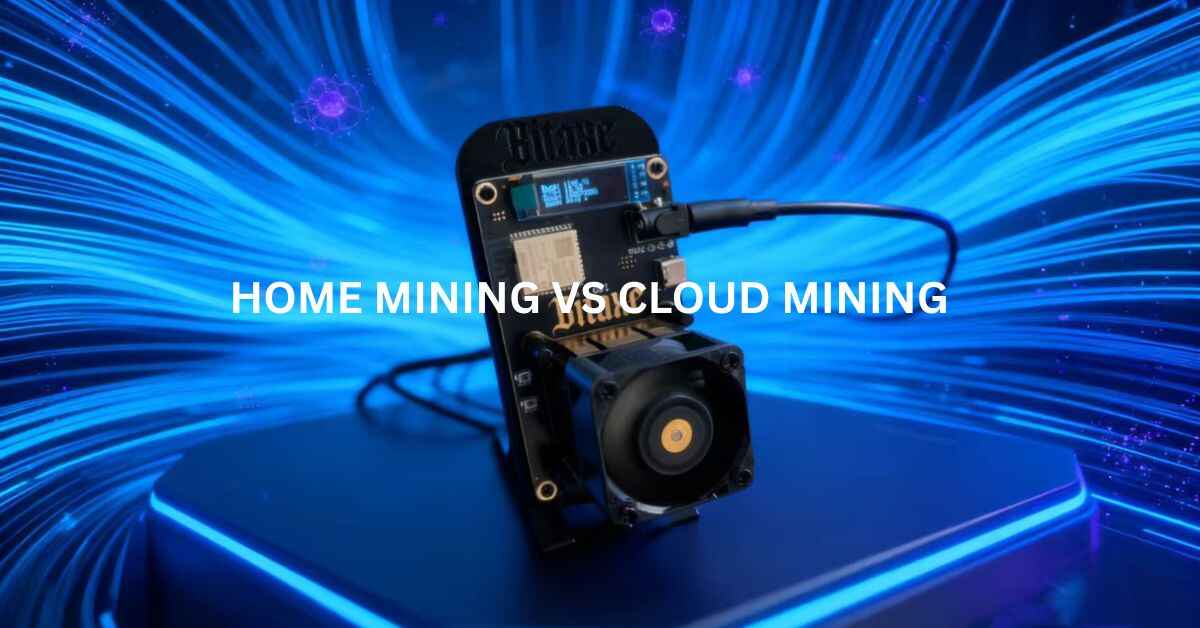
Cryptocurrency mining has evolved into a popular method for earning digital assets, with more people looking to get their hands on coins like Bitcoin and Ethereum. However, when it comes to mining, there are two primary approaches: home mining and cloud mining. Both methods offer unique advantages and drawbacks, but how do you choose the right one for you? Let’s dive into the world of Home Mining vs Cloud Mining to help you figure out which path best suits your goals.
What Is Home Mining?
When people talk about home mining, they’re referring to the practice of setting up your own mining rig at home. This means you get to buy the hardware, install the necessary software, and let the machine run 24/7 to mine digital coins.
Home mining might seem like a fun, hands-on approach—like becoming a digital treasure hunter! You’re not just a spectator in the world of cryptocurrencies, but an active participant.
The Equipment You Need
To get started with home mining, here’s the basic equipment you’ll need:
- Mining Hardware: The mining rig is the core of your operation. An ASIC miner (Application-Specific Integrated Circuit) is the most powerful and efficient hardware, but you could also use a high-performance computer.
- Electricity: Mining rigs are power-hungry. Depending on the crypto you mine and your equipment, your electricity bill could become quite hefty.
- Cooling: All that mining action generates heat, so you'll need to manage it properly, either through fans, air conditioning, or more advanced cooling systems.
- Internet: A reliable internet connection is crucial to keep your miner connected to the network without interruptions.
Pros of Home Mining
- Control: Home mining gives you total control over your hardware and software. You can pick the coins you want to mine, tweak your settings, and adapt to market changes.
- Learning Experience: You'll gain a deeper understanding of how cryptocurrency mining works, from the technology to the strategy behind it.
- Potential for High Profits: If you get the right equipment and maintain a low cost of electricity, home mining can be incredibly profitable.
Cons of Home Mining
- Upfront Costs: Setting up a home mining rig can be expensive, especially if you’re opting for top-tier hardware like ASIC miners.
- Electricity Bills: Mining uses a lot of power, and in some areas, this can lead to sky-high electricity bills.
- Technical Challenges: You need to know your way around mining hardware and software to troubleshoot issues. It’s not for the faint of heart!
- Noise and Heat: Mining rigs aren’t exactly quiet or cool. The noise and heat might be overwhelming in a residential setting.
What Is Cloud Mining?
Cloud mining offers a different approach. Instead of buying and managing hardware, you rent mining power from a third-party provider. It’s kind of like leasing a piece of a giant mining farm that does all the heavy lifting on your behalf.
With cloud mining, you don’t need to deal with the hassles of equipment maintenance, power costs, or overheating. The best part? You can participate in mining even if you don’t have a technical bone in your body!
How Cloud Mining Works
Here’s a simplified version of how cloud mining typically works:
- Signing Up: You choose a cloud mining service and sign up for an account.
- Choosing a Plan: Based on your budget, you pick a contract that determines how much mining power you’ll rent and for how long.
- Earnings: The cloud mining provider handles everything. They mine cryptocurrency using their own equipment, and you receive a portion of the rewards based on the power you’ve rented.
Pros of Cloud Mining
- No Hardware Hassle: Since the provider handles the equipment, you don’t need to worry about setting up or maintaining any hardware.
- Lower Initial Investment: Cloud mining contracts are often cheaper than buying hardware, which makes it a more accessible option for beginners.
- No Noise or Heat: All the mining work happens offsite, meaning you won’t have to deal with the loud hum of machinery or the heat that comes from running mining rigs.
- Easy Setup: You don’t need to be a tech genius to get started with cloud mining. It’s a simple, straightforward process.
Cons of Cloud Mining
- Less Control: You’re renting mining power, meaning you have little to no control over the hardware, software, or what coins are being mined.
- Trust Issues: Not all cloud mining providers are trustworthy. Some have scammed users, so it’s essential to choose a reputable provider.
- Variable Profitability: Profits from cloud mining can fluctuate based on maintenance fees, the mining contract’s terms, and the performance of the provider’s hardware.
- Limited Flexibility: Unlike home mining, you won’t be able to switch coins or adjust your setup on a whim.
Breaking Down the Costs
1. Home Mining Costs
Setting up your own home mining rig comes with several costs:
- Equipment: ASIC miners can cost several thousand dollars, and if you're using a computer, the components (like GPUs) can add up quickly.
- Electricity: Mining consumes massive amounts of electricity. Your energy bill is a recurring cost that can quickly eat into your profits.
- Cooling Systems: To prevent your rig from overheating, you may need to invest in cooling solutions.
- Maintenance: Hardware can break down or become outdated, requiring repairs or upgrades.
2. Cloud Mining Costs
For cloud mining, the costs are a little different:
- Contract Fees: You’ll pay for the contract upfront or monthly, which gives you access to a certain amount of mining power.
- Maintenance Fees: Many cloud mining services charge ongoing maintenance fees, which are deducted from your earnings.
- Hidden Costs: Watch out for hidden charges like withdrawal fees, account management fees, or unexpected maintenance costs.
3. Comparing the Costs
When comparing Home Mining vs Cloud Mining, it’s important to note that home mining usually requires a higher upfront investment. However, once your rig is set up, your costs could be lower—especially if your electricity rates are manageable.
Cloud mining, on the other hand, is more affordable at the start. But over time, the recurring fees and lack of control can reduce your overall profitability.
Profit Potential
Home Mining
- Profit Factors: Your earnings depend on market prices, mining difficulty, hardware efficiency, and electricity costs.
- Efficiency of Your Equipment: The better your hardware, the more coins you can mine, which increases profits.
- Electricity Costs: This is one of the biggest profit killers. If your electricity bill is high, it can seriously cut into your earnings.
Cloud Mining
- Contract Terms: The better the terms of your contract, the higher your earnings. Some contracts may include unfavorable clauses that eat away at your profits.
- Provider’s Performance: If the provider maintains their hardware well and mines efficiently, you’ll earn more. However, poor performance on their part can hurt your profits.
- Market Prices and Difficulty: Like home mining, the value of the cryptocurrency and the mining difficulty impact how much you make.
Home Mining vs Cloud Mining: The Final Showdown
1. Control vs. Convenience
- Home Mining: Gives you complete control over your setup, but comes with a steep learning curve.
- Cloud Mining: Offers hands-off convenience, but at the cost of giving up control.
2. Upfront Costs and Ongoing Expenses
- Home Mining: Higher initial costs, but potentially lower ongoing expenses if you optimize your setup.
- Cloud Mining: Lower startup costs but ongoing fees can add up over time.
3. Profit Potential
- Home Mining: Higher potential profits if you manage everything well, but also more risk.
- Cloud Mining: More predictable profits, but often with less flexibility.
4. Ease of Setup
- Home Mining: Requires technical know-how to set up and maintain.
- Cloud Mining: Simple to set up, even if you’re a total beginner.
5. Environmental Impact
- Home Mining: High electricity use, especially if you’re not using renewable energy.
- Cloud Mining: Some providers use renewable energy, but it's still worth checking.

Conclusion
At the end of the day, deciding between Home Mining vs Cloud Mining really comes down to what you're looking for. If you're someone who enjoys the technical challenge and wants total control, home mining might be your best bet. But if you prefer a simpler, more hands-off approach without the hassle of managing hardware, cloud mining could be the way to go.