
Top 7 Mistakes to Avoid When Crypto Mining


Getting into crypto mining can feel like stepping into a whole new world. It’s exciting, potentially lucrative, but also full of risks. If you’re just starting, it’s easy to make costly mistakes that could drain your time, money, and resources. In this article, we’ll walk you through the top 7 mistakes to avoid when starting crypto mining, so you can set yourself up for success and keep those profit margins intact. Let’s dive in!
1. Skipping Research Before You Start Mining
Before you buy any mining hardware or dive into the world of cryptocurrency, do your homework. Think of it like planning a road trip—you wouldn’t drive cross-country without a map, right? The same goes for crypto mining.
Why is research important?
- Different coins require different hardware: Bitcoin uses the SHA-256 algorithm, while Litecoin uses Scrypt. Each coin has unique requirements.
- Market volatility: Cryptocurrency prices fluctuate rapidly, and mining profitability depends on the coin’s value.
- Mining algorithms: Each cryptocurrency follows a specific algorithm. Some algorithms require specialized hardware like ASICs (Application-Specific Integrated Circuits), while others can be mined with GPUs (Graphics Processing Units).
Pro Tip:
Join mining communities and forums. Talk to experienced miners and learn from their mistakes. Research the crypto you're interested in, analyze historical price trends, and understand the mining algorithm before you make any decisions.
2. Investing in the Wrong Mining Hardware
One of the most common mistakes new miners make is choosing the wrong hardware. Crypto mining is all about efficiency, and the right equipment will make or break your operation.
Factors to consider when selecting hardware:
- Hash rate: The speed at which your mining hardware can compute hashes. The higher the hash rate, the more likely you are to earn rewards.
- Power consumption: Mining is energy-intensive. If your hardware consumes too much electricity, it could outweigh the profits you earn.
- Energy efficiency: Look for hardware that balances power consumption with hash rate for better profitability.
- Initial investment: ASIC minerscan be expensive, but they offer high performance. Be sure to consider the long-term cost-effectiveness.
Pro Tip:
Use mining profitability calculators like Mining Now to calculate potential earnings and assess your hardware’s efficiency. Always factor in electricity costs and long-term expenses.
3. Forgetting About Cooling and Ventilation
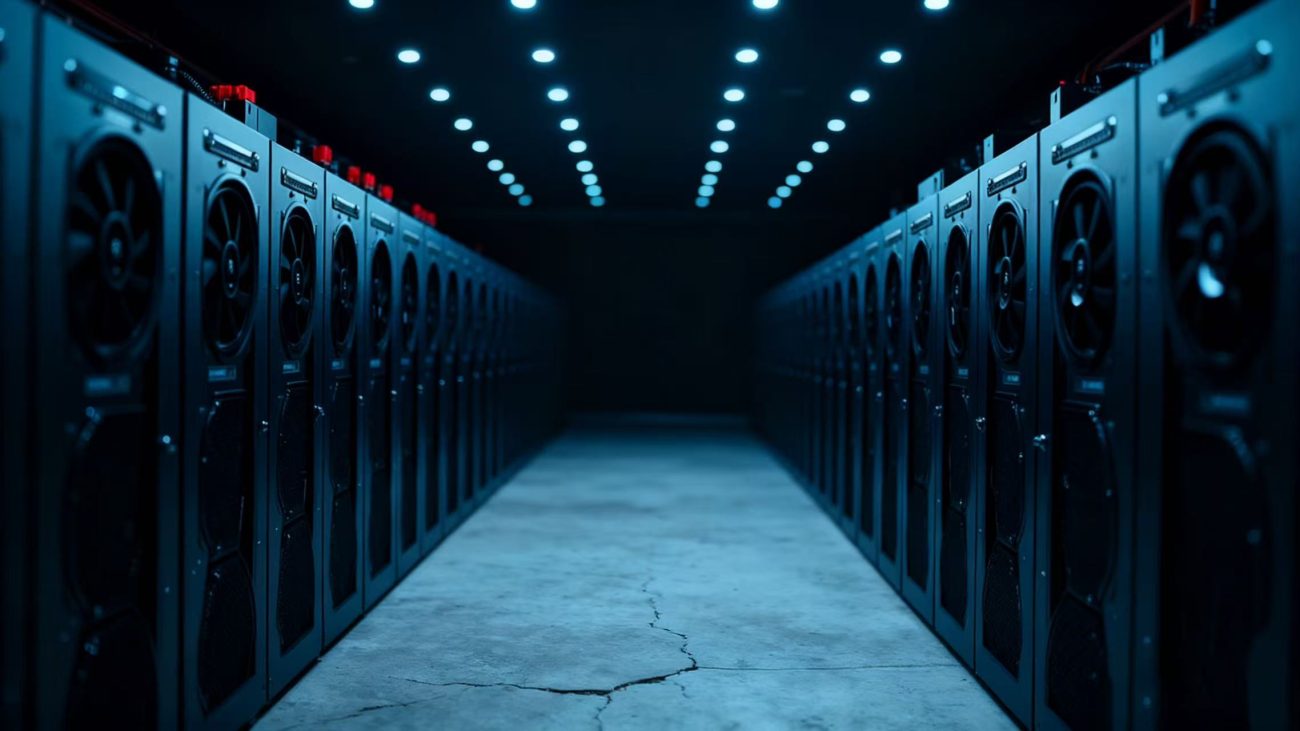
Crypto mining rigs work nonstop, and they generate a lot of heat. Without proper cooling, your mining hardware can overheat, leading to hardware failure, lower performance, or even complete breakdowns.
Key cooling tips:
- Invest in cooling systems: High-performance fans, heatsinks, or liquid cooling systems will keep temperatures in check.
- Proper ventilation: Ensure your mining setup is in a well-ventilated room to help dissipate heat.
- Monitoring temperature: Use monitoring software to keep an eye on the temperature of your hardware.
Pro Tip:
Follow the manufacturer’s recommended temperature range for your mining equipment. Keeping things cool ensures optimal performance and longevity.
4. Joining the Wrong Crypto Mining Pool
Joining a mining pool is often more profitable than mining solo, especially for beginners. But choosing the wrong pool can result in lower payouts and wasted time.
What to look for in a mining pool:
- Pool size: Larger pools find blocks more frequently but split rewards among more miners.
- Fees: Most pools charge a small fee (usually between 1-3%). Look for a pool with transparent and reasonable fees.
- Payout methods: Some pools use methods like PPS (Pay Per Share) or PPLNS (Pay Per Last N Shares). Choose one that works for your needs.
- Server proximity: A mining pool with servers close to your location will reduce latency and improve mining efficiency.
Pro Tip:
Read reviews and compare mining pools before committing. Look for pools with low fees, clear payout structures, and a solid reputation.
5. Not Prioritizing Security for Your Mining Setup
Security should always be top of mind when it comes to crypto mining. The digital nature of cryptocurrencies makes them a prime target for hackers.
How to protect your assets:
- Use strong, unique passwordsfor all mining-related accounts and devices.
- Enable two-factor authentication (2FA)wherever possible. This adds an extra layer of security.
- Use hardware wallets: Don’t store large amounts of crypto in online wallets or exchanges. A hardware wallet keeps your coins offline, safer from hacks.
Pro Tip:
Regularly update your mining software and operating system to fix vulnerabilities. Don’t leave your crypto assets unprotected.
6. Not Monitoring Mining Profitability Regularly
Mining profitability can fluctuate. That means you can easily end up losing money if you don’t track your earnings regularly.
Factors that affect profitability:
- Cryptocurrency price volatility: A sudden price drop can seriously impact your mining profits.
- Mining difficulty: As more miners join the network, mining becomes harder and more resource-intensive.
- Electricity costs: Your local power rates can eat into your profits. Consider moving your operation to areas with cheaper electricity rates.
Pro Tip:
Use mining profitability calculators to keep track of whether your mining operation is still profitable. Always be ready to adjust your setup based on the latest market conditions.
Read More: How to Calculate Crypto Mining Profitability
7. Falling for Scams and Fraudulent Offers
The crypto world is full of scams, especially for newcomers. Don’t fall for get-rich-quick schemes or offers that sound too good to be true.
Common scams to avoid:
- Fake cloud mining contracts: These promise huge returns with little effort. In reality, many are fraudulent.
- Too-good-to-be-true investment schemes: If an opportunity promises high returns with little risk, it’s likely a scam.
- Untrustworthy mining platforms: Always do your research before trusting a platform with your funds.
Pro Tip:
If something sounds too good to be true, it probably is. Be cautious and always conduct thorough research before committing to any mining platform or investment.
How to Start Crypto Mining the Right Way
Now that you know the common mistakes to avoid, let’s talk about how to get started the right way:
- Do your research: Learn about the cryptocurrency you want to mine, the mining algorithms, and the right hardware for the job.
- Choose the right hardware: Don’t skimp on quality. Invest in hardware that will deliver long-term results.
- Join a reputable mining pool: Find a pool that fits your needs, with transparent fees and a good reputation.
- Prioritize security: Protect your mining setup and crypto assets by using strong passwords, 2FA, and hardware wallets.
- Track profitability: Regularly assess your mining profits and make adjustments as needed.
Conclusion
Starting your crypto mining journey with the right knowledge can make all the difference. By avoiding these top 7 mistakes, you’ll be well on your way to building a successful mining operation. Remember, crypto mining isn’t a sprint; it’s a marathon. Stay patient, stay informed, and always be willing to adapt to changes in the market.
Happy mining, and don’t forget—the right decisions now can lead to bigger profits down the road!
FAQs
- How much does it cost to start crypto mining?
The cost varies depending on the cryptocurrency you want to mine and the hardware you choose. ASIC miners can be expensive, while GPU setups are more affordable. - Can I mine crypto with just a laptop?
While it’s possible, it’s not efficient. Laptops lack the power for serious mining and can overheat quickly. - How do I find the best mining pool?
Look for pools with low fees, good server proximity, and transparent payout structures. Always check reviews and join reputable communities for recommendations. - How can I increase my mining profitability?
Optimize your hardware for energy efficiency, monitor market trends, and track mining profitability regularly. Also, consider mining in regions with lower electricity costs. - What security measures should I take when mining crypto?
Use strong, unique passwords, enable 2FA, and store your mined coins in a hardware wallet for added security.